Considering Poland for Expansion? Notes from the Ground
If you are thinking about expanding to Poland, you have probably seen the country on every “best markets to expand to” list this year. The rankings keep climbing. The headlines describe a country with strong growth, increasing foreign direct investment, a sizeable consumer base, and rising strategic importance in Europe. From wherever you are reading this — London, Amsterdam, Berlin, New York, Toronto — the signal looks consistent.
That signal is real. But it is not the whole picture. And the gap between what foreign companies read about Poland and what foreign companies actually find when they arrive is wider than most rankings suggest.
I write this as someone who has spent years on both sides of that gap — working with foreign companies expanding to Poland, and with Polish companies entering other markets. What follows is what I usually share with founders and executives who reach out at the research stage, before they have committed to anything.
Why is Poland on every “best markets to expand to” list right now?
Because the macro fundamentals are genuinely strong, and they have been strong for a long time.
Poland is the largest economy in Central and Eastern Europe and one of the larger economies in the European Union. It has roughly 38 million people, a growing middle class, and a workforce that has been quietly absorbing skills across manufacturing, technology, services, finance, and engineering for two decades. EU membership provides regulatory predictability and single-market access. Geographic position between Western Europe and the East makes it logistically important. Foreign direct investment continues to flow in.
None of this is invented. Rankings that highlight Poland are responding to real data.
If you stopped reading here and concluded that Poland is a serious market worth examining, you would be right. The mistake is assuming that the same data also tells you whether Poland is a serious market for your specific business.
What do these rankings get right, and what do they leave out?
Rankings work at country level. Businesses operate at sector level. A country can be growing at four percent while your particular sub-sector is contracting because of regulatory shifts, automation pressure, consolidation, or changes in how buyers actually purchase.
What rankings typically capture well: macroeconomic indicators, FDI trends, demographic profile, labour costs at national average, ease-of-doing-business scores, and broad sector classifications.
What rankings typically miss: sector heterogeneity inside the country, the strength of incumbent supplier relationships in B2B, the realistic timeline for foreign companies to build credibility, the role of language at the operational level, the cash flow reality of Polish payment terms, and the difference between selling in Warsaw versus selling in smaller industrial cities.

How is Poland different from other “easy” EU markets?
The assumption that all EU member states function similarly is one of the most common analytical errors I encounter. Poland is in the EU but not in the Eurozone. Currency exposure to the złoty is real and needs to be managed. The business culture has elements of relationship-driven commerce that you do not encounter to the same degree in Germany, the Netherlands, or the Nordics.
Polish buyers are sophisticated, often more demanding than buyers in less mature markets, and frequently expect Western European product quality at price points that are lower than what you might be used to. That combination is harder to deliver than it sounds.
There is also the language reality. At the senior level, English is widely spoken. At the operational level, in procurement departments, in factories, in middle management — Polish is often the working language. B2B contracts, technical documentation, and meaningful sales conversations frequently require Polish. Companies that arrive expecting to operate entirely in English usually find themselves either hiring local talent quickly or losing momentum.
How do foreign companies research expanding to Poland today?
The patterns are fairly consistent. Most companies I speak with at the research stage have done some combination of the following:
- Country reports from the big firms — PwC, EY, McKinsey, KPMG, World Bank. Excellent for macro context. Limited at sector level for anything specific.
- Industry association publications — Variable quality. Best ones are written by people who actually work in the sector. Worth seeking out, but you have to filter.
- News and trade press — Useful for spotting major moves. Biased toward large companies and dramatic stories. Underrepresents the slow operational truth.
- LinkedIn research — Helpful for identifying people and seeing surface-level activity. Misleading if you treat visibility as evidence of success.
- Conversations with peers who entered earlier — Often the most valuable input, if you can find honest ones. Worth real effort to access.
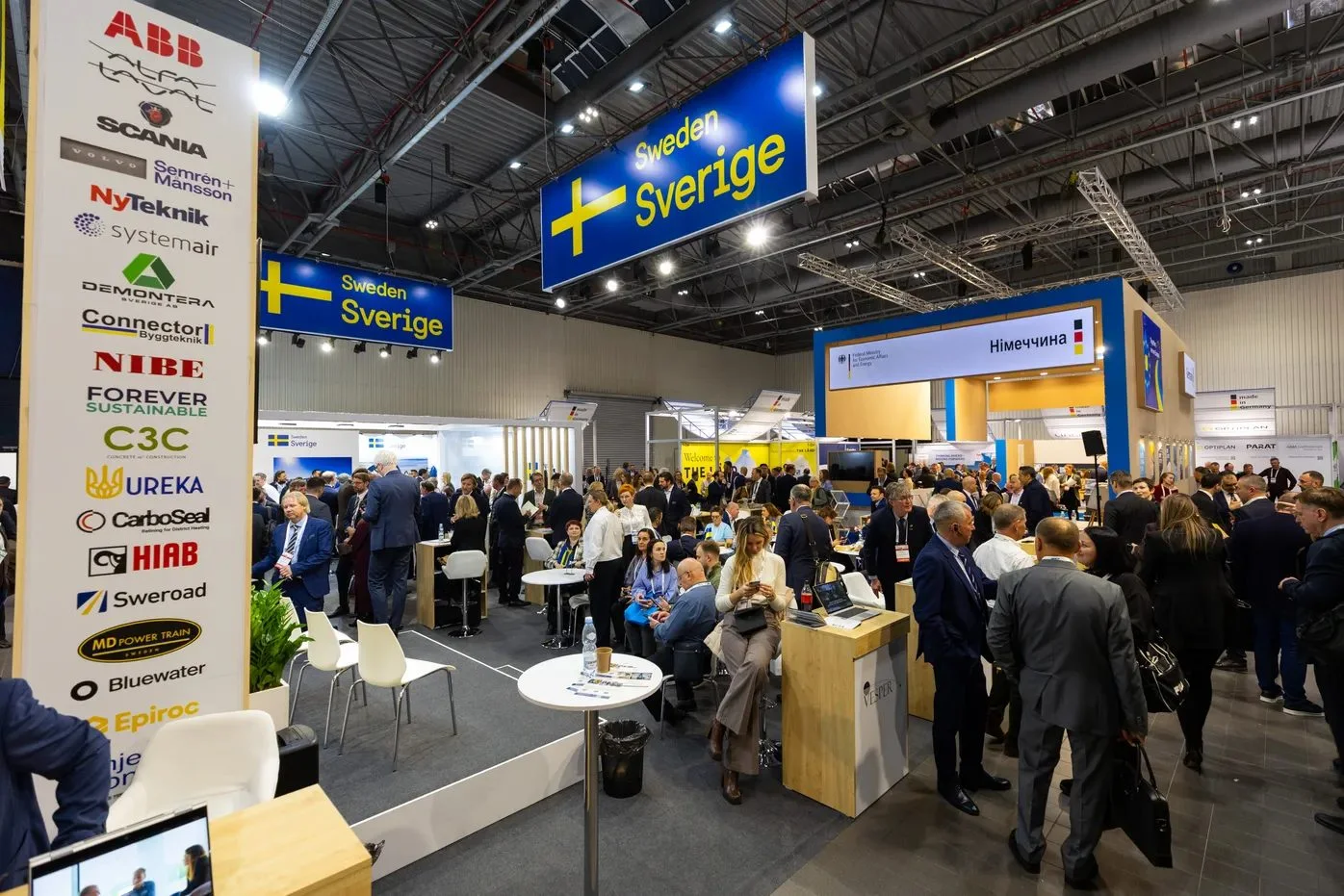
- Trade fair and exhibition attendance — Compressed exposure to the market. Highly recommended once you have specific hypotheses to test.
Each source has its place. The mistake is leaning on only one or two, especially the easiest ones to access from a distance.
Which sources tend to give the clearest picture of Poland?
Direct conversations with people who are operating inside the market.
A forty-five minute call with someone running the Polish subsidiary of a comparable foreign company will tell you more about realistic timelines, customer behaviour, and operational friction than a two-hundred-page country report. The information is unfiltered, current, and grounded in actual experience.
Most operators remember how confusing the entry process was for themselves, and they tend to be generous with their time if you approach respectfully and explain your situation clearly. You are not asking for trade secrets. You are asking about the texture of the market.
The second most valuable source is industry associations and informal sector networks. Not always the official meetings, but the conversations that happen around them. Polish business communities exchange a significant amount of information informally, and a well-placed introduction can save you months of trial and error.
What signals should you look for before scheduling a market visit?
Do not visit Poland for research until you have:
A specific value proposition you can articulate clearly — what exactly you are offering, to whom, and why it should matter to a Polish buyer.
Three to five hypotheses about the market — clear statements that can be tested. “Polish manufacturers will pay a premium for X because of Y.” “Our category will grow because of regulatory change Z.” Statements like these can be verified or falsified through conversation. Vague intentions cannot.
Identified people or organisations to meet — even a short list of five to ten relevant contacts is far more productive than arriving with a general intent to “learn about the market.”
Specific questions you cannot answer from desk research — these are the questions worth flying for. Everything else can probably be resolved without leaving your office.
Visiting too early produces shallow learning and wastes the visit. Visiting too late, after you have already mentally committed, produces confirmation-seeking rather than truth-seeking. The right time is when you have hypotheses worth pressure-testing in person.
When you do visit Poland, what is actually worth your time?
Industry exhibitions and B2B trade conferences. Association meetings. One-on-one coffees with operators in your sector or adjacent sectors. A site tour of a comparable foreign company’s local operation, if you can arrange it. Informal dinners with the right small group — these often surface more honest information than any structured meeting.
What is usually not worth a research visit: tourist activities reframed as research, expensive consulting presentations that recycle public reports, premature meetings with lawyers and accountants, large generic networking events with no clear thread. Those will come later, in the right sequence.
A focused five-day research trip, well prepared, is one of the highest-leverage investments a foreign company can make. A poorly prepared two-week trip can be worse than no trip at all, because it produces the false confidence of having “been there” without the substance to back it up.
What do foreign companies usually ask us at this stage?
The questions tend to fall into a few categories. The pattern of the questions itself often reveals how ready a company is.
Operational questions, which signal readiness: Is our specific sector actually growing in Poland, or is that a side effect of overall economic growth? What is a realistic timeline to break even? Who are the actual competitors we should be watching, beyond the obvious names? Do we need a Polish-speaking sales lead from day one, or can we start in English and hire later? Should we incorporate locally or operate cross-border initially? What is the realistic cost structure? How important is a Warsaw address compared to operating from elsewhere?
Strategic questions, which usually signal earlier-stage thinking: Is Poland a good market in general? Should we expand internationally? What are the risks? How do we know if we are ready?
Neither category is wrong. They simply require different conversations. Companies asking the first kind of question are usually close to a decision and need targeted input. Companies asking the second kind benefit from a different process — one that starts further upstream, often by clarifying what success would even look like before discussing Poland specifically.
How much can you actually learn before you arrive in Poland?
Quite a lot, if you approach it methodically. The information is fragmented and requires triangulation across sources, but most of what matters for an initial decision is accessible without leaving your home market.
What you cannot fully learn from a distance: the texture of how business actually gets done, the tone of negotiation, the speed at which decisions move through Polish organisations, the unspoken expectations around relationships and trust. These require presence. But these are also not what determines whether Poland is the right market — they determine how you operate once you have decided it is.
The decision itself can largely be informed remotely, provided you talk to the right people and resist the temptation to confuse macro signals with operational evidence.
The companies that succeed in expanding to Poland tend to share a common pattern. They take the rankings seriously enough to investigate, but not so seriously that they skip the verification step. They do not assume the market is easy because the macro story is strong. They do not assume the market is hard because someone told them a horror story. They look at their specific situation, gather specific information, and make a specific decision.
That posture — curious, evidence-driven, neither rushed nor paralysed — is the one that matches the market.
Considering expanding to Poland?
If you are gathering information about the Polish market as a potential expansion target and want a grounded perspective on your specific situation, a short orientation conversation is often a useful starting point.
Book a conversation