
Partner Sourcing in Poland and Ukraine
Energy, construction, logistics. Real contacts on both sides of the border. We work exclusively with B2B companies.
Finding a partner in a foreign market: three concrete problems
The issue isn't lack of data. The issue is that the data is incomplete, and the distance from a list of companies to a working relationship is larger than it looks at the start.
The partner market is opaque
KRS, CRIF, EDRPOU, open registries, and LinkedIn give you fragments of the picture. What you don't see: how the company actually operates, who makes decisions, what its real capacity is, who it already works with, and whether it is looking for the kind of partner you are.
Language and cultural barriers
Polish and Ukrainian business operate on different decision-making rhythms. What sounds like caution in one country looks like lack of engagement in another. Without someone who understands the context on both sides, it's easy to walk into a misunderstanding on the first call.
Risk of hitting intermediaries
Some companies presented as "manufacturers" or "integrators" are in reality reselling someone else's offer. Telling the source apart from the middleman requires conversations with the market, not reading the website.
Five steps from brief to first conversations
Every project is different in scope and industry, but the sequence of work doesn't change. Here's what we do every time.
Brief and needs mapping
We define together with the client who the partner needs to be: company type, scale, geography, engagement model (distribution, subcontracting, joint venture, framework contract). The outcome is a one-page partner profile we return to at every selection stage.
Long-list: 10–20 candidates
We combine our own industry contacts with market search (registries, sector databases, open data, network recommendations). The result is a list of companies that theoretically fit the profile, with short descriptions and a preliminary fit assessment.
Preliminary screening and fit assessment
We check market presence, reputation (from open sources), actual scope of activity, references (where available), and in selected cases we run conversations with the market about the company. This is preliminary screening, not formal due diligence. Goal: filter out obvious mismatches and give you a list of companies worth talking to further.
Short-list: 3–5 preliminarily assessed partners
From the long-list, we keep companies that passed our preliminary screening and already showed initial interest. Each gets a short profile: who they are, why they fit, what's the entry point into the conversation.
Introduction and support of first conversations
We do warm introductions, not cold mailing. If the client wants, we join the first meetings (online or in person), help structure the conversation, and translate cultural context. From there the client leads negotiations directly; we remain available as support.
Three sectors where we can genuinely help
We don't work with everyone. Our portfolio of contacts on both sides of the Poland-Ukraine border is concentrated in three industries. Outside of them, we don't make promises.
Energy
Renewables and conventional energy on both sides of the border: developers of PV and wind projects, EPC contractors, component manufacturers (inverters, structures, panels), battery energy storage operators (BESS), O&M service firms. On the Ukrainian side, also projects connected with reconstruction of energy infrastructure and distributed generation. Our contacts cover both Polish companies looking for contractors and suppliers in Ukraine, and Ukrainian energy companies entering the EU market through Poland.
Construction
General contractors, specialised subcontractors, manufacturers of building materials and prefabricates, roofing and facade companies, suppliers of installations (HVAC, electrical, sanitary), joinery manufacturers. On the Ukrainian side, also projects connected with reconstruction and modernisation of infrastructure, where Polish contractors look for local partners and Ukrainian companies look for access to Polish contracts and materials. Our contacts also cover niche segments: roofing systems, timber prefabricates, facade systems.
Logistics
3PL operators, transport companies (road transport PL-UA, including ADR), cross-docking warehouses, customs brokers, fulfilment operators. The PL-UA direction is specific: external EU border, customs clearance, paperwork, inspections. We have operational contacts with companies that do this every day and that are looking for strategic clients or partners on the other side. This is the youngest of our three sectors, and one in which we are actively building project portfolio.
We work with three types of clients
They all share one common trait: a B2B model and a concrete need to find a partner, not an abstract market analysis.
EU companies entering both Poland and Ukraine
Clients from Germany, Spain, Italy, France, or Latvia who treat the region as one market and need partners on both sides of the border instead of running two separate projects.
Polish companies looking for partners in Ukraine
Manufacturers looking for contractors and distributors, project developers needing local subcontractors, construction firms looking for access to materials and production capacity.
Ukrainian companies entering the Polish market
Companies building EU presence through Poland: looking for distributors, general contractors, component suppliers, logistics operators. A partner who understands the Polish market from inside.
Concrete results at project completion
Long-list of 10–20 companies
A full list of candidates with short descriptions of each company, contact details, and a preliminary fit assessment against your brief.
Short-list of 3–5 preliminarily assessed partners
Companies that passed our preliminary screening, are available for collaboration, and have shown initial interest.
Warm introductions
Real introductions from us, not cold mailing. The other side knows who you are and enters the conversation with an open posture.
Framework for further negotiations
A short map: who makes decisions, what the typical engagement models look like in a given industry, what to watch for in the contract.
Frequently asked questions
Do you only work in energy, construction, and logistics?
Yes. These are the three industries where we have real, verified contacts on both sides of the Poland-Ukraine border. In other sectors we can run a general market analysis, but we don't claim the same effectiveness for partner sourcing. We prefer to be honest about where we are strong.
How long does a typical project take?
Every project is different. The timeline depends on industry, geography, the depth of screening required, and how precise the brief is at the start. After the first conversation, we can estimate a realistic timeline for your specific case.
What is the engagement model, and how much does it cost?
We agree on the engagement model individually. Scope, geography, expected timeline, and required depth of preliminary screening are too many variables for a publicly listed price to make sense. After the brief, we present a concrete proposal (fixed fee, retainer, or a combination) tailored to your situation. All billing is in Polish złoty (PLN).
Do you guarantee a signed contract with a partner?
No. Our scope is sourcing, preliminary screening, and introduction; negotiations and the final decision belong to the client and the partner. We guarantee the quality of the process (preliminarily assessed companies, real introductions, no cold mailing), not the business outcome, which depends on dozens of factors outside our control.
What about formal due diligence on a partner?
We don't provide full financial or legal due diligence. We do preliminary screening: market presence, reputation from open sources, actual scope of activity, and fit against the brief. If you need formal due diligence (financial audit, legal verification, KYC, sanctions screening), that's a separate type of service. We can also help find the right partner to perform it (law firms, audit firms, KYC providers).
What languages do you work in?
English, Polish, and Ukrainian. Documents, conversations, due diligence support: in each of these languages. For clients from the EU, we default to English.
Do you only serve clients from Poland and Ukraine?
No. Most of our projects concern the PL-UA direction, but we also work with companies from the EU (Spain, Italy, France, Latvia, Germany), the USA, Canada, and the UAE, who want to enter the Polish or Ukrainian market through a local partner.
How are you different from a traditional procurement agency?
Procurement agencies usually work one-directional (find a supplier for a Western client) and specialise in one type of partner. We work bi-directionally (PL-UA), across different types of relationships (supplier, distributor, subcontractor, strategic partner), and in three specific industries. Narrower geographic scope, deeper role coverage.
Founder
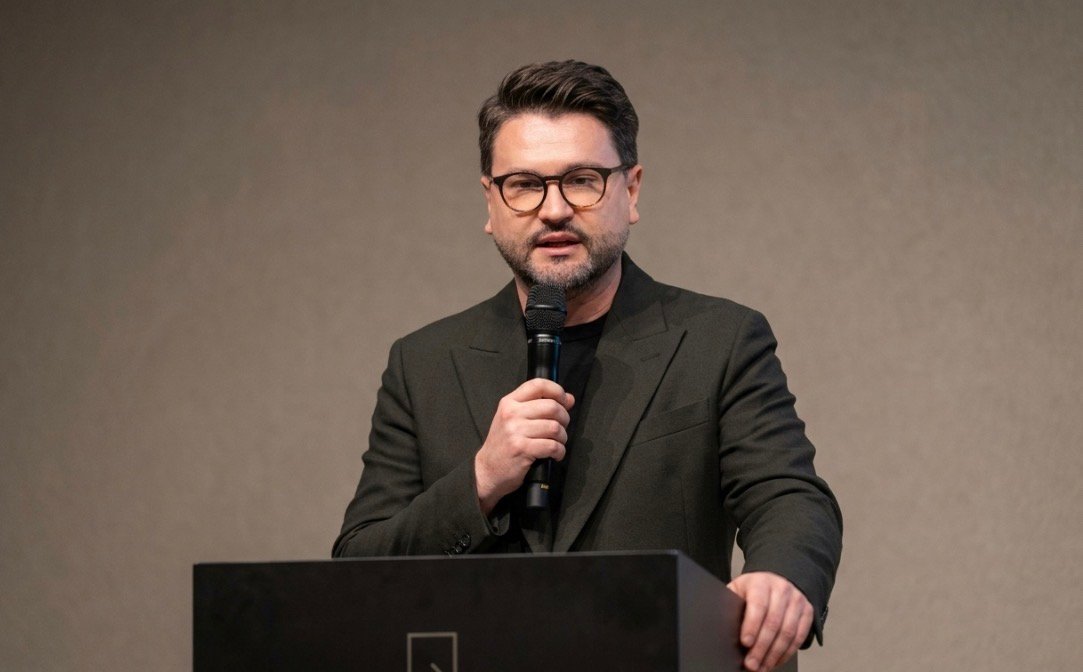
Dima V. Nechyporenko
Founder of the nech. Works with B2B companies in Poland and across Europe on strategy, international expansion, and sales development. Operational experience in Poland, Ukraine, Spain, Italy, France, Latvia, the USA, Canada, and the UAE. Works in three languages: English, Polish, and Ukrainian.
Let's talk about your project
Tell us who you're looking for and in which industry. After the first conversation, we'll know whether we can genuinely help, and how.