
Selected projects: three market entries taken through to contracts
In each of them we went through the same cycle: market research, segment choice, direct contact with players on the market, matchmaking with partners and getting to the first meetings. One of the projects is covered by a confidentiality agreement, so we describe it without the client name and without financial results.
Selected projects in short: three markets, the same working cycle
Each of these projects started with market research and ended in conversations with real buyers. Below is the summary; the full descriptions follow further down the page.
| Project | Sector | Market | Scope of work | Outcome |
|---|---|---|---|---|
| VOLTAGE Group | Energy and infrastructure | Italy, France, Spain, Latvia | Research of four EU markets, segment choice, business plan, contact with investors and general contractors | 65+ MW in 12 months, first contract after 3 months |
| Ostapiv Dachy | Construction, roofing | Warsaw and Mazovia, projects across Poland | Market research, segment choice, commercial materials, sales strategy, business development launch | Repeatable B2B sales instead of word-of-mouth orders |
| Project under NDA | B2B trade, energy | A new foreign market | Mapping the demand side, first contacts on the client behalf, matchmaking, organising commercial meetings | Sales started on the new market, results under confidentiality |
How VOLTAGE Group entered four EU markets and delivered 65+ MW in the first year
Market research, segment choice, contact with players on the market and getting to contracts that were delivered.

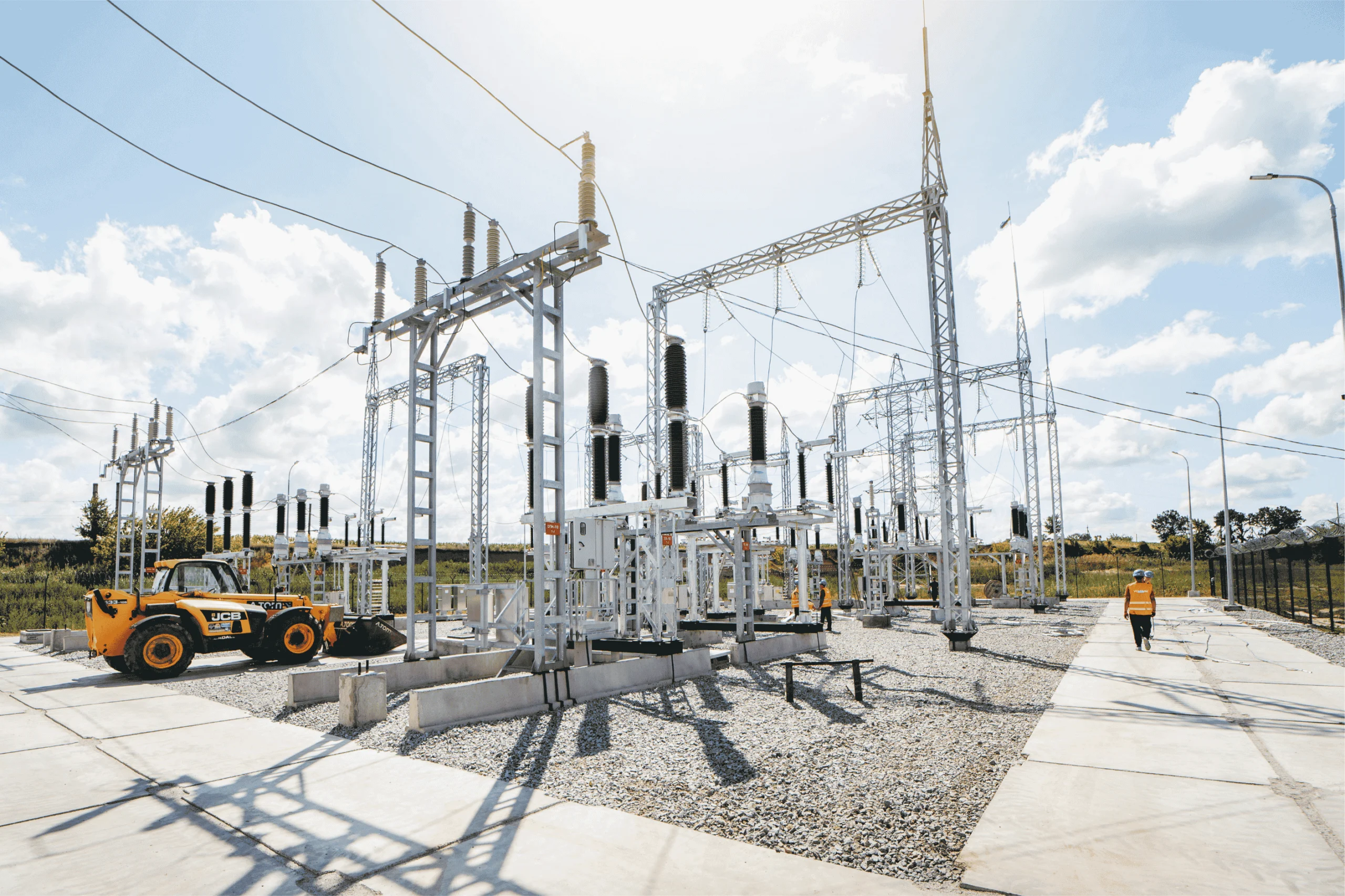
VOLTAGE Group is an engineering company working in energy infrastructure: it builds transformer substations, high-voltage lines, industrial solar plants and energy storage systems.
The company had a strong technical base and a delivery team. What it lacked was a route into Western European markets, where projects are larger, the decision makers are different, and the technical and legal requirements differ from the home market. We started with research on four markets, went through segmentation and a full business plan, then contacted players on those markets ourselves and took the company through to contracts that were delivered.
Four markets and a segment choice
Analysis of four EU markets, segmentation into utility-scale solar and energy storage systems, and positioning the offer for a European client. On top of that, a five-year business plan with P&L forecasts, a financial model and sensitivity analysis.
Conversations with investors and general contractors
We approached investors and general contractors on the selected markets directly, arranged meetings and matched the company with partners. In parallel we opened an office in Warsaw as the operational hub for EU projects.
65+ MW on four markets in 12 months
The first contract was signed three months after the engagement started. In the first year the company signed and delivered contracts for over 65 MW of solar plants in Italy, France, Spain and Latvia, and built a project pipeline for the years that followed.
Ostapiv Dachy: a new segment and repeatable B2B sales instead of word-of-mouth orders
The company was already operating and wanted to put its sales in order and move into new segments. We established which segment suited it best and launched business development.

Ostapiv Dachy installs flat roofs in torch-on membrane and waterproofing for industrial halls, warehouses and commercial developments. The company works both as a contractor and as a subcontractor, mainly in Mazovia and, on larger projects, across Poland.
Orders came by referral, but they could not be planned, and the owner wanted to move into larger commercial developments. We went through the full cycle with the company: we researched the market, established which customer segment was the most profitable for it, prepared the commercial materials, set out a sales strategy and launched a business development process in which we spoke to market participants ourselves.
Which segment is genuinely profitable
We researched the roofing market and compared customer segments: general contractors, warehouse developers and industrial property managers. We identified the one where margin and repeat business are highest.
First conversations with players on the market
We approached companies in the chosen segment directly, checked how they judged the offer, and on the basis of their answers prepared commercial materials and a sales argument tailored to that buyer.
A running business development process
We set out a sales strategy and launched a repeatable client acquisition process: who to approach, in what order, with what message and how to take a conversation to a meeting. The company now runs that process on its own.
A trading company from the power engineering sector: entry into a new market, project under NDA
The client did not agree to publication of its name or financial results, so we describe only the sector, the scope of work and how the project ran.
The client is a trading company from the energy sector. Its range covers high and medium voltage switchgear, equipment for substations and transmission lines, MV and HV cables and conductors, and hardware for renewable energy installations.
The company had a proven product range and proven suppliers, but on the new market it had neither recognition nor contacts on the buying side. We went through the full cycle: market research, first contacts, matchmaking with partners and getting to commercial meetings, through to the start of real sales on that market.
Who actually buys HV and MV switchgear
We mapped the demand side: grid operators, substation and transmission line contractors, EPC firms and investors in renewable energy. We established how the buying process works in each of those groups and who makes the decision.
First conversations and partner matchmaking
We made the first contacts on the client behalf, held conversations about the product range and commercial terms, and matched the company with local trading partners who genuinely serve that segment.
Commercial meetings and the start of sales
We organised the first commercial meetings and took part in them alongside the client. The project ended with the company entering the market and sales starting. The details and results remain covered by the confidentiality agreement.
What companies ask most often before the first project
Does every project end in a contract?
No. Sometimes the conclusion from talking to the market is that this market is not for this company, and we say so. A negative answer is also a result: the client does not spend a budget on a direction with no real demand behind it.
Why is one of the projects described without the client name?
That project is covered by a confidentiality agreement. The client sells on that market and does not want competitors to know its direction, its suppliers or its commercial terms. So we describe only the sector, the scope of work and how the engagement ran.
How long does market entry take?
In these three projects the first commercial conversations started within a few weeks, and in the VOLTAGE Group project the first signed contract came after three months. A realistic horizon for a B2B company is three to twelve months, depending on the length of the sales cycle in the sector.
Which markets do you work on?
Poland, Ukraine and the European Union are the directions we take new clients into. For companies already working with us we also run North America and the Middle East. We work only where we operate ourselves, and we do not take companies into markets we do not know from our own practice.
Your market could be next
The first conversation is free and takes about thirty minutes. You leave it with an answer on which direction makes sense for your company and where to start.
Book a free consultation→