Event · Energy · Poland
Polish-German Economic Forum 2026: key takeaways for energy
The 4th Polish-German Economic Forum (IV Polsko-Niemieckie Forum Gospodarcze) took place on 26 October 2026 at the InterContinental hotel in Warsaw, organised by PAIH and AHK Poland. Ministers Andrzej Domański and Katherina Reiche spoke about regulation, energy prices, diversification and the protection of critical infrastructure. A panel covered cables, ports and grids, and the energy round table discussed offshore wind, interconnectors and storage. For foreign equipment suppliers and EPC contractors the conclusion is clear: demand in Poland is real and long-term.
- Date and venue
- 26 October 2026Hotel InterContinental, Warsaw
- Organisers
- PAIH and AHK Polandsupported by the Polish and German governments
- Speakers
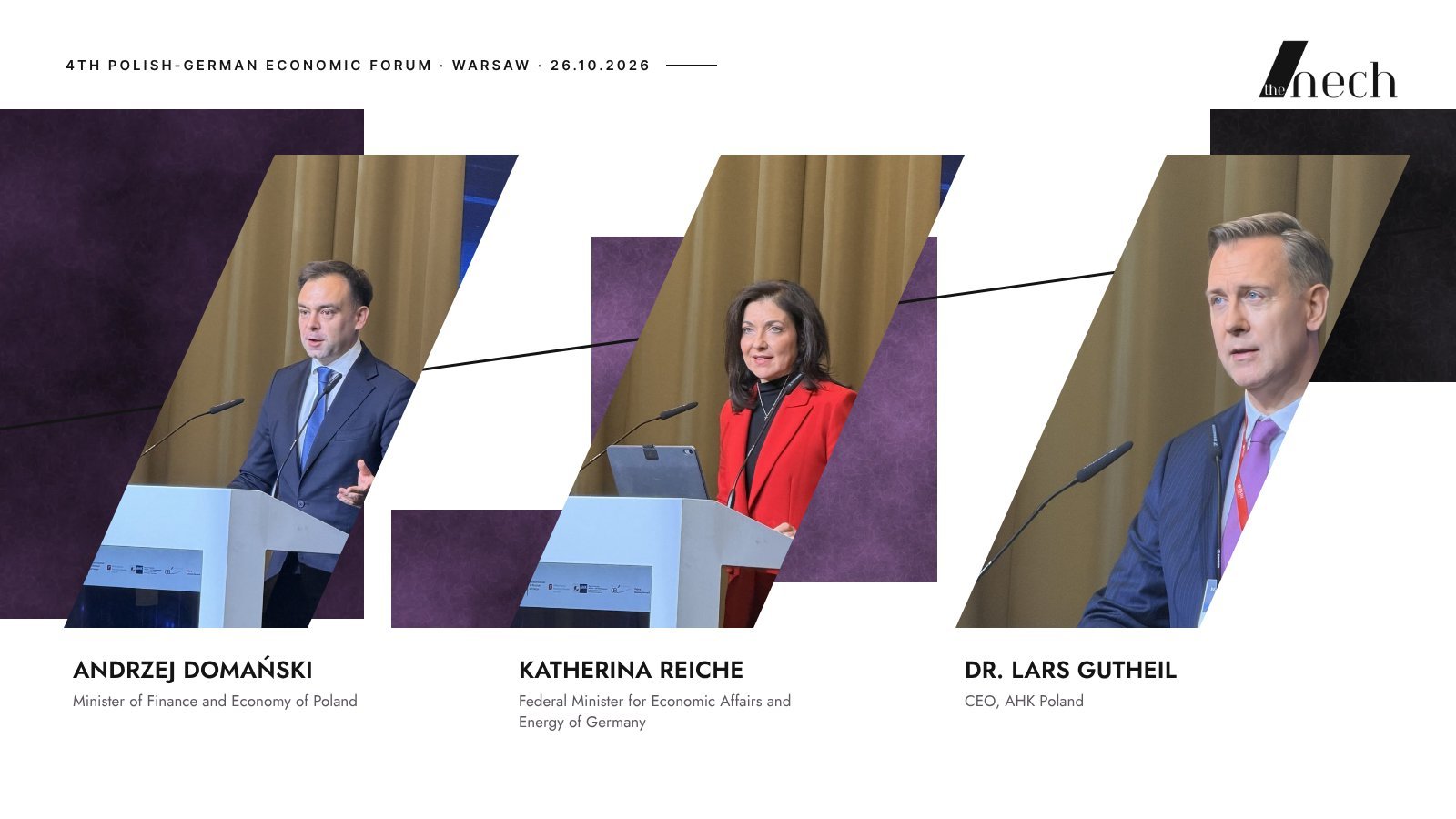
- Andrzej Domański, Katherina Reicheministers’ plenary debate
- Energy sessions
- 3 sessionsdebate, infrastructure panel, round table
Event
What is the 4th Polish-German Economic Forum 2026?
It is the fourth meeting that the Polish Investment and Trade Agency (PAIH) and the Polish-German Chamber of Industry and Commerce (AHK Poland) organise for companies, institutions and governments of both countries.
the nech is a Warsaw-based outsourced commercial team for foreign energy companies entering Poland. We attended the Forum to understand what its conclusions mean for our clients.
Ministers
What did Domański and Reiche say about energy and investment?
The plenary debate “Polish-German cooperation in strengthening Europe’s competitiveness” was moderated by Agnieszka Zaręba (Radio Zet, Forbes Polska).
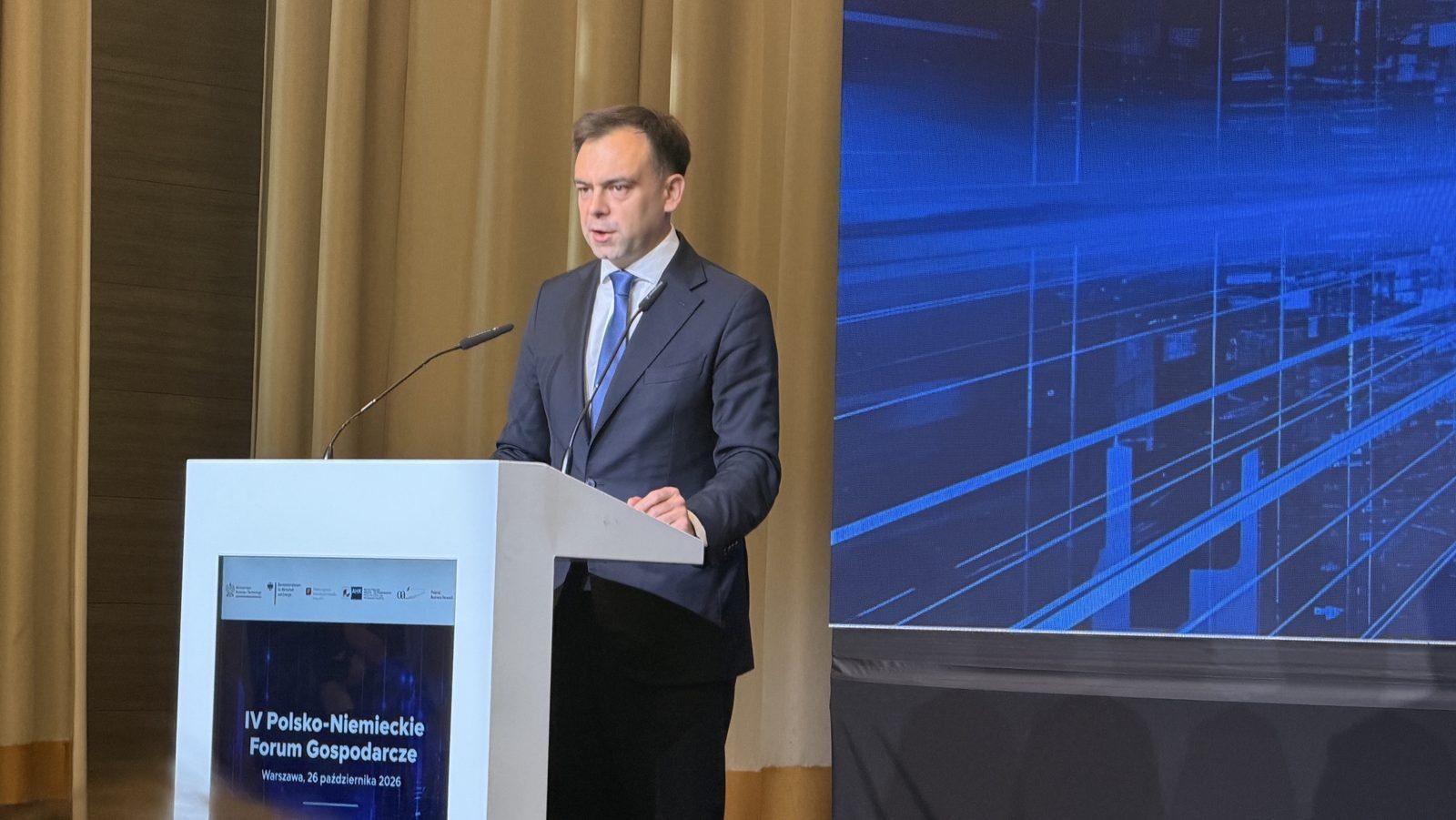
Andrzej Domański, Poland’s Minister of Finance and Economy, named regulation the biggest barrier to investment and growth. Among the challenges Poland and Germany share, he singled out high energy prices and said they are Poland’s priority.
He noted that Poland prepared for supply disruptions for decades, so recent energy shocks hit it less than many other countries. He named nuclear part of a low-carbon mix: Poland is investing in nuclear and plans to develop small modular reactors (SMRs). He also wants more private investment alongside the public budget.
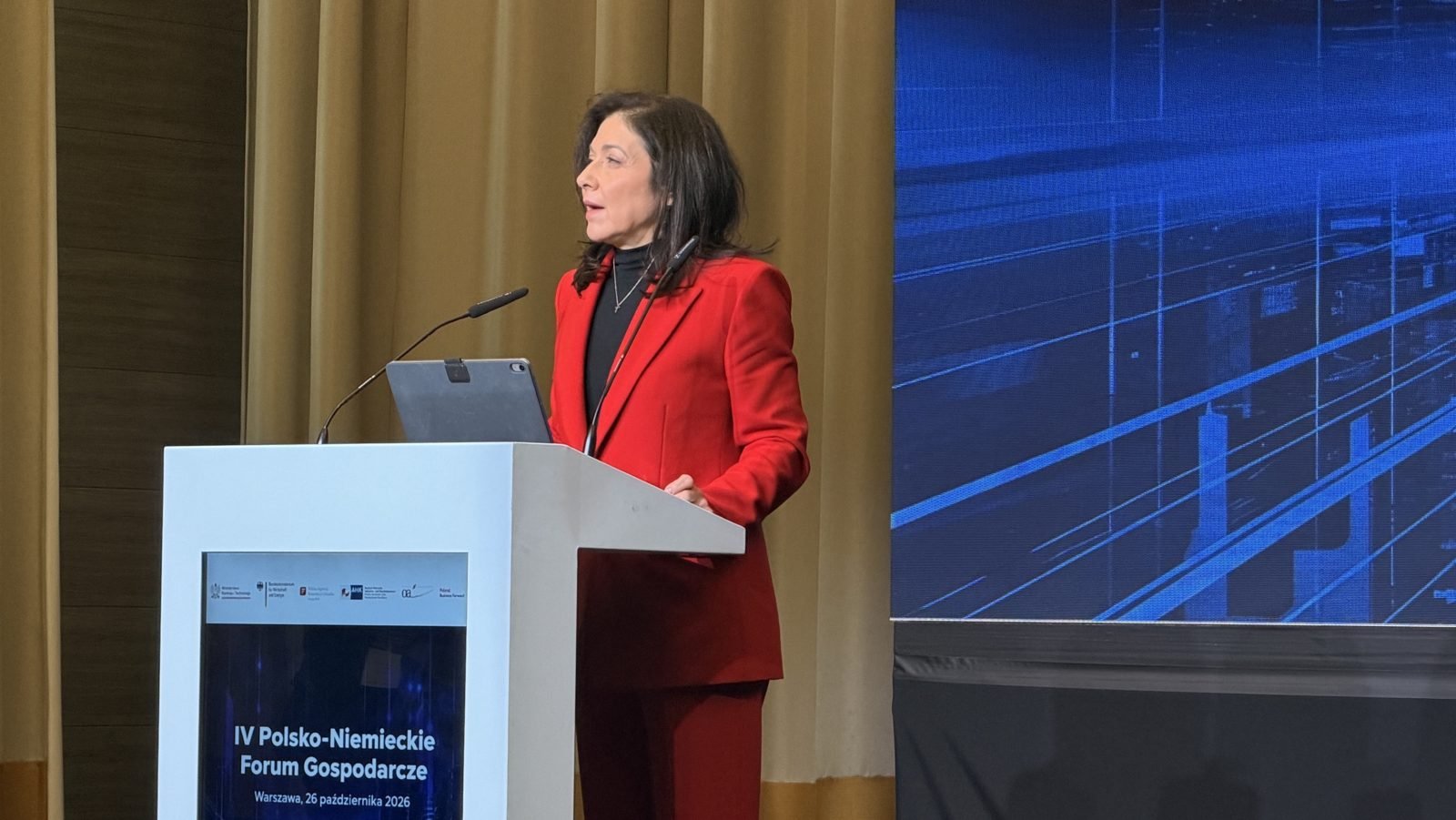
Katherina Reiche, Germany’s Federal Minister for Economic Affairs and Energy, framed energy infrastructure as a security issue. Substations, power lines, subsea cables and gas storage need physical protection, monitoring and a common European approach. She called Europe’s interconnected grids a strength that must be protected.
The state, she said, cannot carry every risk: it sets the framework and standards, and companies invest in their own infrastructure. Both ministers agreed that Poland and Germany need more connections between their grids.
We need to diversify providers of our energy resources. We need to diversify our energy mix. We need to diversify our routes through which energy is provided to our countries.
Andrzej Domański, Minister of Finance and Economy of Poland
Poland
Why was Poland called a model for Germany?
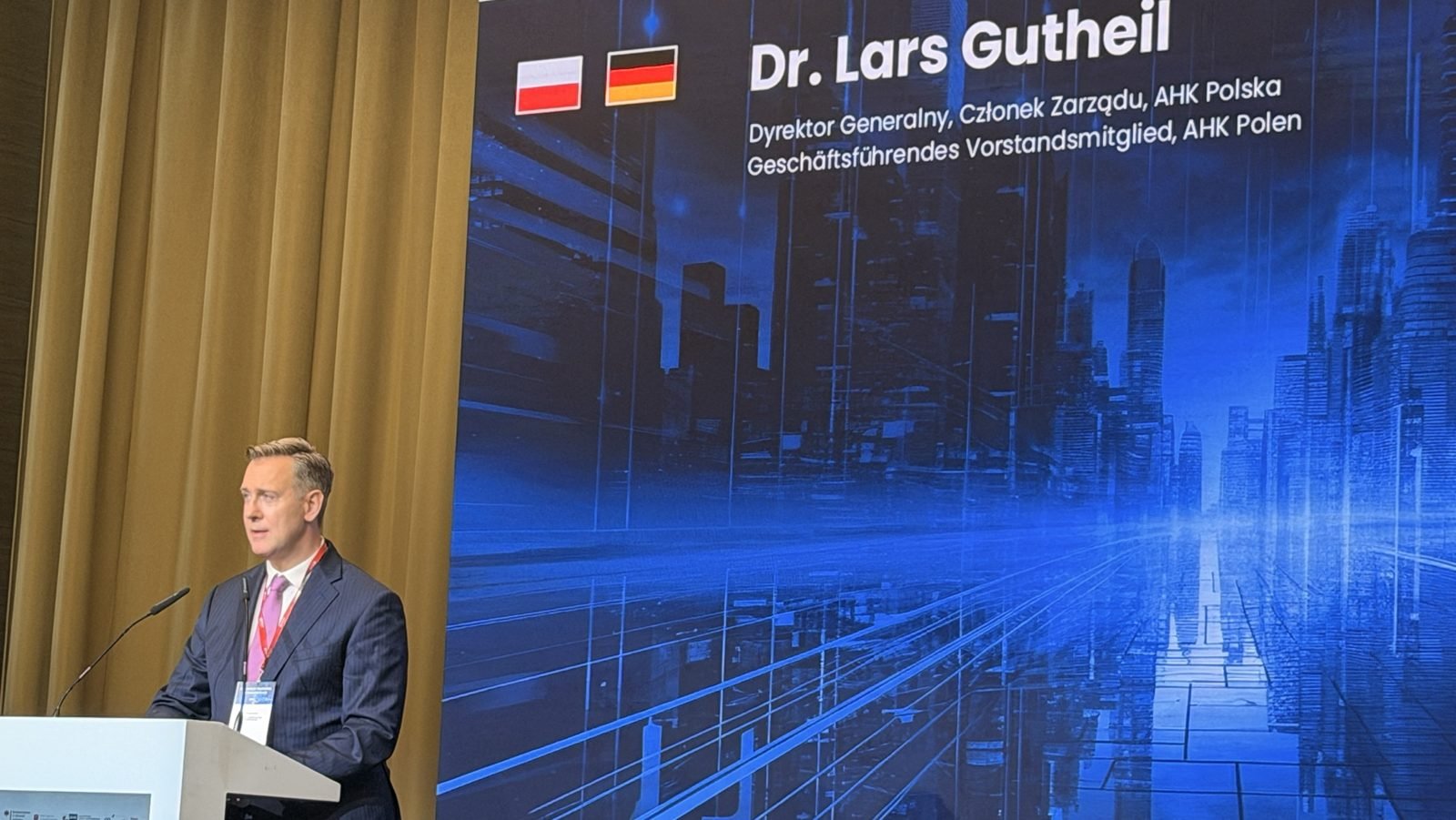
Dr Lars Gutheil, CEO of AHK Poland, said Poland is now cited as a model for Germany, something few would have expected ten years ago: a country set for growth that invests in future sectors, from energy and electronics to IT and defence.
Domański recalled that Poland grew from an economy of about 67 billion dollars in 1989 to a trillion-dollar economy today. He credited EU membership, the reforms of the 1990s and the deep integration of Polish companies into global value chains.
Infrastructure
How are Poland and Germany protecting critical energy infrastructure?
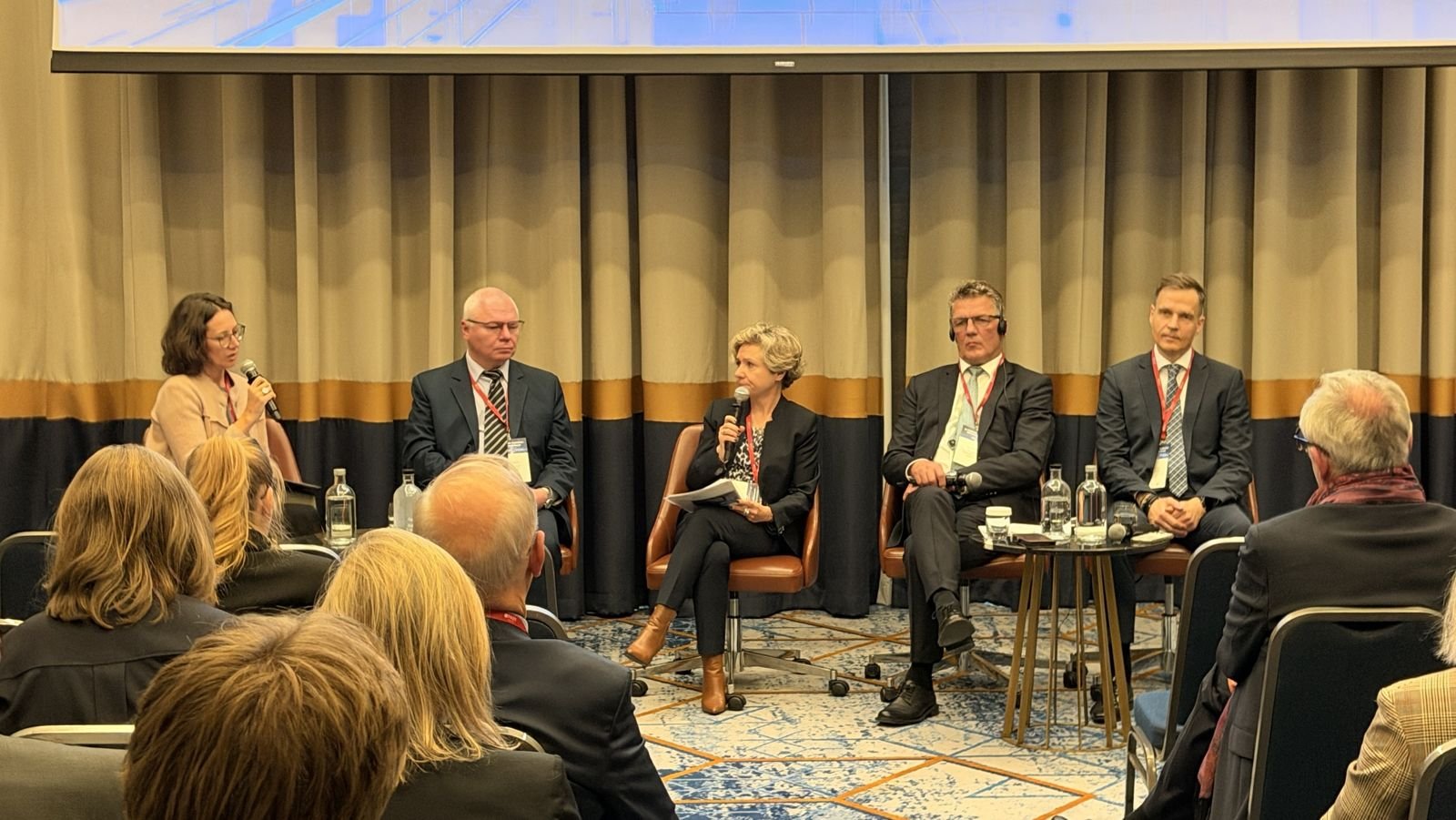
The panel “Investment in critical infrastructure and its strengthening in light of current threats” was moderated by Justyna Gotkowska, Vice President of the Centre for Eastern Studies (OSW). The speakers kept it practical.
Subsea cables and the Baltic
Eyk-Uwe Pap (Baltic Taucher Rostock) described subsea cable installation, a round-the-clock emergency service and robotic systems that locate seabed damage in real time.
Ports as hubs
Maciej Brzozowski (Port of Hamburg) explained that 7,200 hectares cannot be guarded entirely. The port is digitising its infrastructure to BIM standards, building a digital twin and setting up one traffic control centre for all transport modes.
Fast response
The panel’s main point: instead of the illusion of total protection, invest in sensors, monitoring and well-rehearsed response.
Round table
What did the energy round table discuss?
The table brought together ministries, grid operators, the wind industry, hydrogen developers and advisers from both countries. These themes came up most often.
Offshore wind
2026 is a turning point for Poland: in July, Baltic Power, the first Polish offshore wind farm, delivered its first power to the grid (ORLEN). Participants see the offshore pipeline as stable for years ahead.
Poland as a manufacturing base
Foreign manufacturers are already localising wind production in Poland. Polish and German supply chains complement each other.
More interconnectors
Markets get cheaper when countries complement each other instead of building the same on both sides of the border. PSE and 50Hertz have already agreed to cooperate on a third interconnection between their grids (PSE).
Storage and flexibility
The more wind and solar, the more batteries, heat storage and fast data handling matter. Then price volatility becomes value rather than cost.
Faster permits
Digitising and speeding up renewable permitting remains a shared priority.
People and components
Every market in the region is building at once, so specialists and key equipment are scarce. That slows projects as much as procedures do.
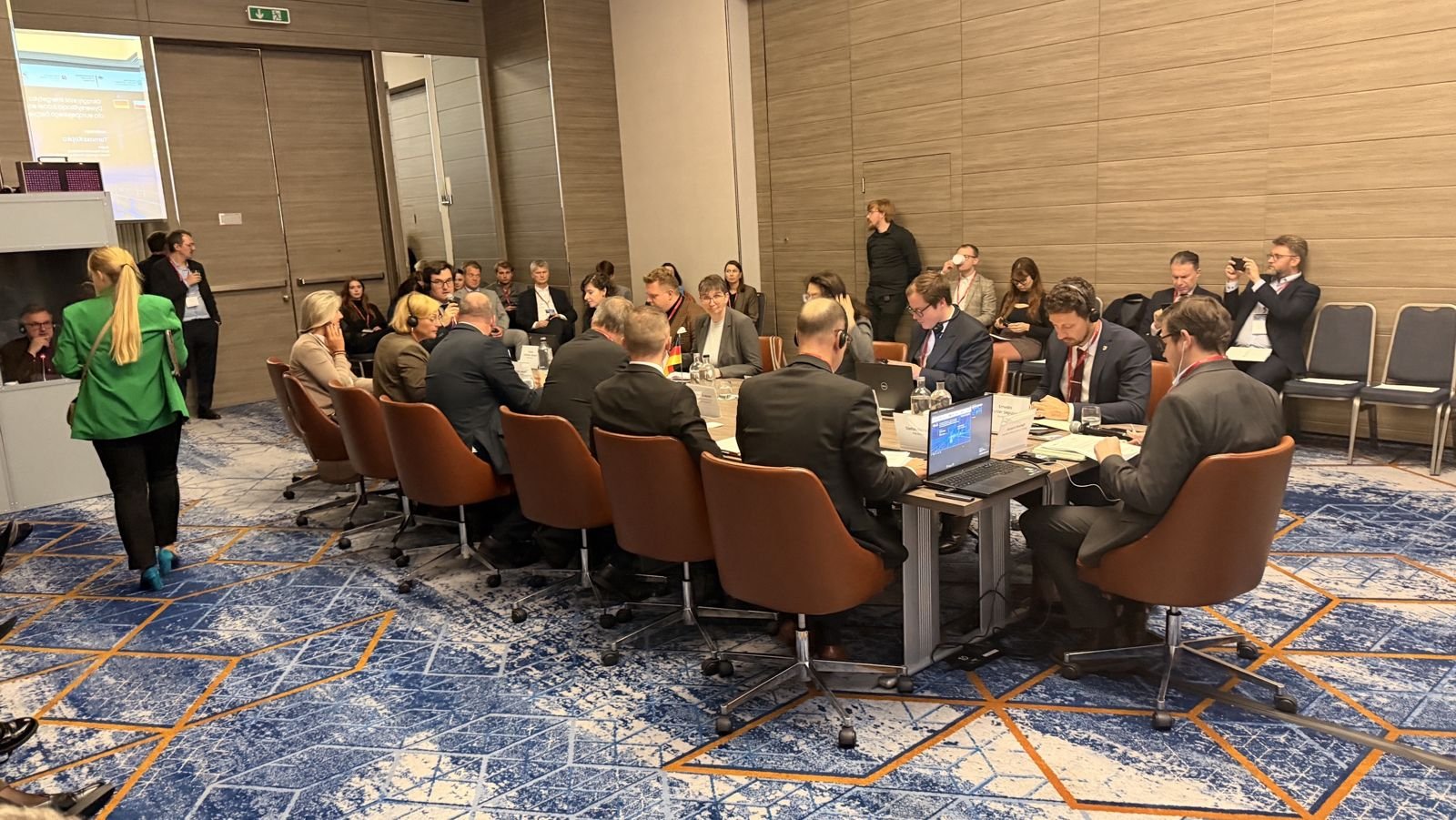
One closing remark summed up the day: the participants spoke Polish and German, but at this table they spoke one language, the language of shared challenges.
Takeaways
What does the Forum mean for foreign energy companies in Poland?
We came to the Forum with one question: what changes for companies entering Polish energy. The answer is positive. Demand is there in generation, grids, substations, storage and infrastructure protection, and it spans decades.
The hard part is not the product. A company has to get from good equipment to a signed contract: grid connection conditions, regulator requirements, the right local partners and the first buyer meetings. We covered how to build that commercial presence in our article on hiring a head of sales in Poland.
For the detail behind the demand, see our guides to offshore wind, grids and energy storage in Poland, the BESS market and EPC contractors in Poland. If you want first meetings with Polish buyers, our Poland Entry Sprint delivers them in 30 to 60 days; book an intro call.
FAQ
Frequently asked questions.
When and where was the Polish-German Economic Forum 2026?
On 26 October 2026 at the InterContinental hotel in Warsaw, organised by PAIH and AHK Poland.
Who spoke at the Polish-German Economic Forum 2026?
The plenary debate featured Poland’s Minister of Finance and Economy Andrzej Domański and Germany’s Federal Minister for Economic Affairs and Energy Katherina Reiche. Dr Lars Gutheil (AHK Poland) and Agnieszka Ciećwierz (PAIH) also spoke, alongside panels on critical infrastructure and electronics and an energy round table.
Which energy topics were discussed?
Regulation and energy prices, diversification, nuclear and SMRs, critical infrastructure protection, offshore wind, Polish-German interconnectors and energy storage.
What does the nech do?
the nech is a Warsaw-based outsourced commercial team for foreign energy companies entering Poland.
Note. Statements from the plenary debate and panels are reported from our own notes at the Forum. All photos: the nech.