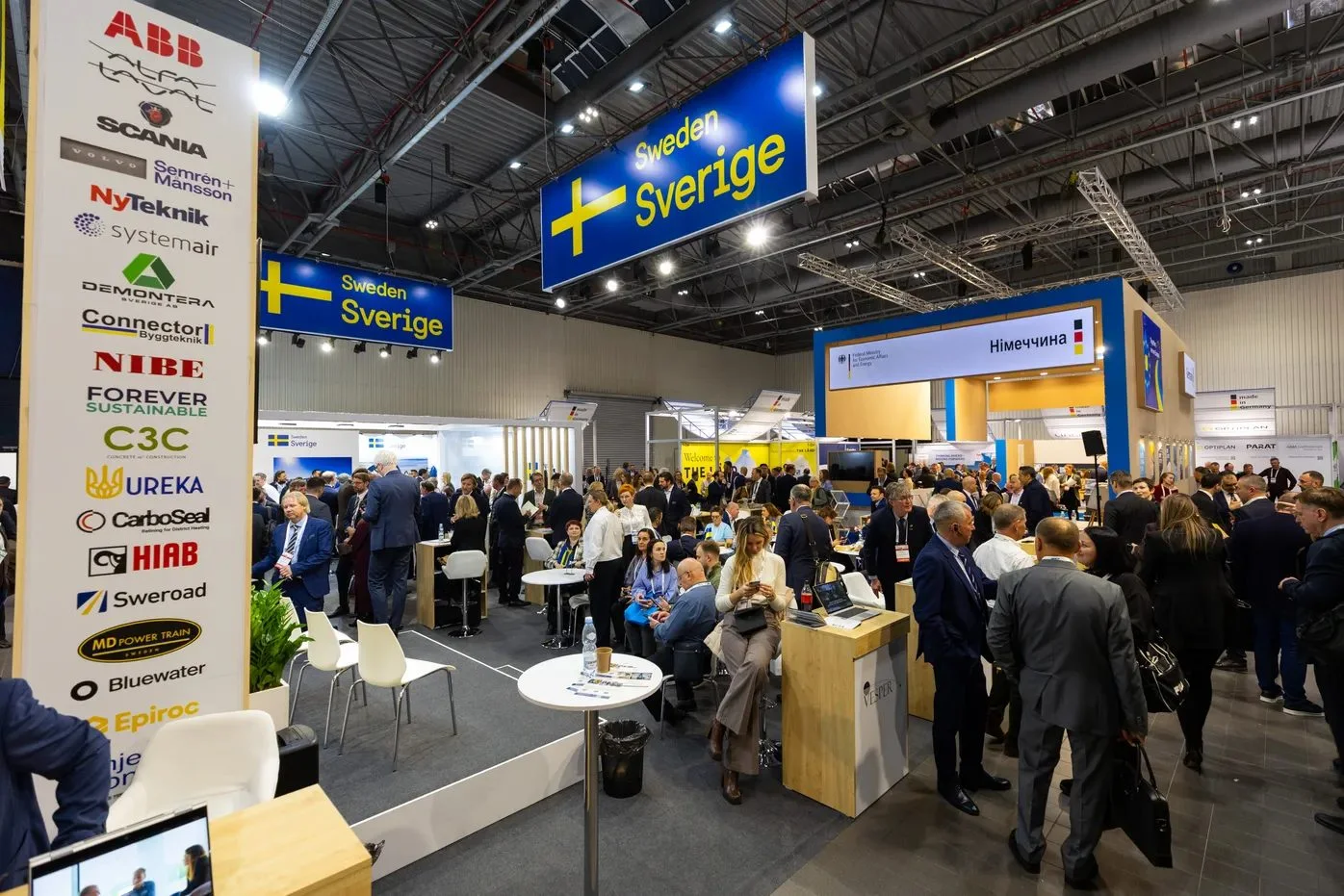
Trade fairs in Poland: how to find and choose the right one
Trade fairs in Poland are one of the fastest ways for a foreign company to meet real Polish buyers, distributors and partners in a single week. The hard part is not that there are too few of them, it is that there are too many, and choosing the wrong one costs money and momentum. Here is how I help clients pick the right fair.
Why trade fairs in Poland are worth the effort
When a company decides to enter Poland, the first instinct is usually cold outreach: emails, calls, LinkedIn. It works eventually, but it is slow. A good trade fair compresses months of that into a few days. You stand in front of decision-makers who came specifically to find suppliers or partners in your category, and you can read the market in real time, pricing, competitors, what buyers actually ask about.
Poland is a strong place to do this because its exhibition industry is one of the largest in Central and Eastern Europe. There are venues built for tens of thousands of visitors, mature organisers with decades of history, and a steady calendar across almost every sector, from construction and food to defence, furniture and renewable energy. That scale is an advantage only if you can navigate it, which is exactly where most first-timers get stuck.
Where the main trade fairs in Poland happen
Most serious B2B fairs in the country run at four venues. Knowing them makes the calendar far easier to read, because the same organisers repeat their events every year.
Ptak Warsaw Expo
The largest exhibition and congress centre in Poland by floor space, just outside Warsaw. It hosts a very broad calendar across construction, industry, food, beauty, e-commerce and more. Its public fair calendar is a good first stop to see what is coming up.
Grupa MTP (Poznań International Fair)
The oldest and one of the most respected exhibition organisers in Poland, running since 1921. Strong flagship events in industry, agriculture, construction (Budma), furniture (Meble Polska) and more. If your sector is traditional B2B manufacturing, this is often where the decision-makers are.
Targi Kielce
One of the two largest exhibition centres in the country. Best known internationally for MSPO, one of Europe’s biggest defence industry exhibitions, alongside strong agriculture, plastics and technology fairs.
EXPO Kraków (Targi w Krakowie)
A modern venue serving southern Poland. Smaller than Warsaw or Poznań, but useful when your target customers are concentrated in the Kraków, Katowice and wider Małopolska and Silesia region.
Before you trust any fair, check whether its organiser belongs to the Polish Chamber of Exhibition Industry (PIPT). Members follow shared standards and often publish audited attendance figures, which is the difference between a real market event and a rented hall with impressive-sounding marketing.
How to find the right trade fair in Poland
Finding fairs is easy; finding the right one is a filtering problem. This is the sequence I use with clients, in order.
- Define the goal first, not the fair. Are you there to sell, to find a distributor, to study the competition, or to test messaging? Each goal points to a different event and a different budget.
- Start from the venue calendars. The Ptak Warsaw Expo, Grupa MTP and Targi Kielce calendars linked above list the sector, dates and scale of each fair. Build a shortlist of three to five that match your category.
- Verify the organiser. Confirm the fair is real and recurring, check PIPT membership, and look for audited visitor and exhibitor numbers rather than round marketing claims.
- Read the exhibitor and visitor profile. A fair with 40,000 consumers is worthless if you sell industrial equipment. Match the audience, not the headcount.
- Check the competition already exhibiting. If your direct competitors book that fair every year, your buyers are almost certainly there too.
- Confirm timing and lead time. The best stands and hall positions sell out months ahead. Decide early or you exhibit from a bad corner.
How to choose between two similar fairs
Often you end up with two credible options in the same sector and have to pick one. A few criteria decide it:
Audience quality over raw size. A focused B2B fair with 8,000 qualified buyers usually beats a giant mixed event with 60,000 mostly-consumer visitors. Ask the organiser who actually attends and what share are professional buyers.
Sector fit and reputation. A flagship fair that has run for twenty years carries trust with buyers. A brand-new event may be cheaper, but you are paying to help the organiser build their audience.
Total cost, not just the stand. Space is only part of it. Add construction, logistics, staff, travel and follow-up. A cheaper fair that needs two trips can cost more than one strong event done well.
Match the fair to your sector, not just the city
One reason trade fairs in Poland are so effective is specialisation. The strongest events are built around a single industry, and the buyers who attend are there for that industry only. A few examples of where different sectors concentrate:
- Construction and building materials: Budma in Poznań and the construction fairs at Ptak Warsaw Expo draw contractors, developers and distributors.
- Food, agriculture and HoReCa: Poznań (Polagra) and Kielce host large, buyer-heavy agri-food events.
- Defence, security and industrial technology: MSPO at Targi Kielce is the reference event in the region.
- Furniture and interiors: Meble Polska in Poznań is a flagship for the sector across Central Europe.
- Beauty, e-commerce and consumer brands: the large multi-hall shows near Warsaw pull high volumes of trade and end buyers.
Pick the event whose whole identity is your category. A specialist fair with the right 6,000 visitors will beat a general one with 50,000 the wrong visitors every time.
Visiting first, exhibiting second
If you have never been to a Polish fair in your sector, visit before you exhibit. Spend one day walking the halls as a guest: you will see how buyers behave, what competitors promise, what a good stand looks like and whether the audience is genuinely yours. It is the cheapest market research you will ever buy, and it turns your first exhibiting year from a gamble into a plan.
Common mistakes when choosing trade fairs in Poland
The clients who struggle usually repeat the same avoidable errors. Watch for these:
Chasing the biggest number. A six-figure visitor count sounds impressive, but if most of those people are consumers or students, a B2B seller leaves with nothing. Always ask what share of visitors are professional buyers with purchasing authority.
Booking late and improvising. Deciding two months out means a poor hall position, rushed stand design and expensive logistics. The best trade fairs in Poland reward companies that plan two or three quarters ahead.
Treating the fair as the finish line. The fair is where leads start, not where deals close. Without a follow-up system for the weeks after, most of the contacts you collect quietly go cold.
Exhibiting before you understand the room. Skipping the visit step and going straight to a stand in an unfamiliar market is the single most expensive shortcut I see.
Quick checklist before you book
- The goal is written down: sell, source, distribute, or research.
- The fair is recurring, with audited visitor numbers.
- The organiser is a recognised venue or a PIPT member.
- The audience profile matches your ideal customer, not just a big number.
- Your competitors, or your buyers, already attend.
- You have budgeted the full cost, not only the floor space.
- You booked early enough to get a good hall position.
Frequently asked questions
Which is the biggest trade fair venue in Poland?
By exhibition floor space, Ptak Warsaw Expo near Warsaw is the largest, while the Poznań International Fair is the oldest and among the most established. Targi Kielce is one of the two largest and leads in sectors such as defence.
How do I know a trade fair in Poland is legitimate?
Check three things: that the event has run for several editions, that it publishes audited attendance figures, and that the organiser belongs to the Polish Chamber of Exhibition Industry. If all three are missing, treat the marketing numbers with caution.
Should I visit a fair before exhibiting?
Yes, whenever the timeline allows. One day as a visitor tells you whether the audience is really your buyer, how competitors present themselves, and what a strong stand costs, before you commit a full exhibiting budget.
How early should I register to exhibit?
For the major fairs, six to nine months ahead is normal. Good hall positions and corner stands sell out early, and later booking usually means a weaker location and higher stress on logistics.
Planning your first Polish fair?
I help foreign companies choose the right trade fair, prepare the stand and turn the leads into real contracts, not a stack of business cards. Let’s map it out in a free 30-minute call.
Book a free consultation Or see the full service: Polish market entry